RQE Alaska · History & Purpose
A market-based path to better guided halibut opportunity.
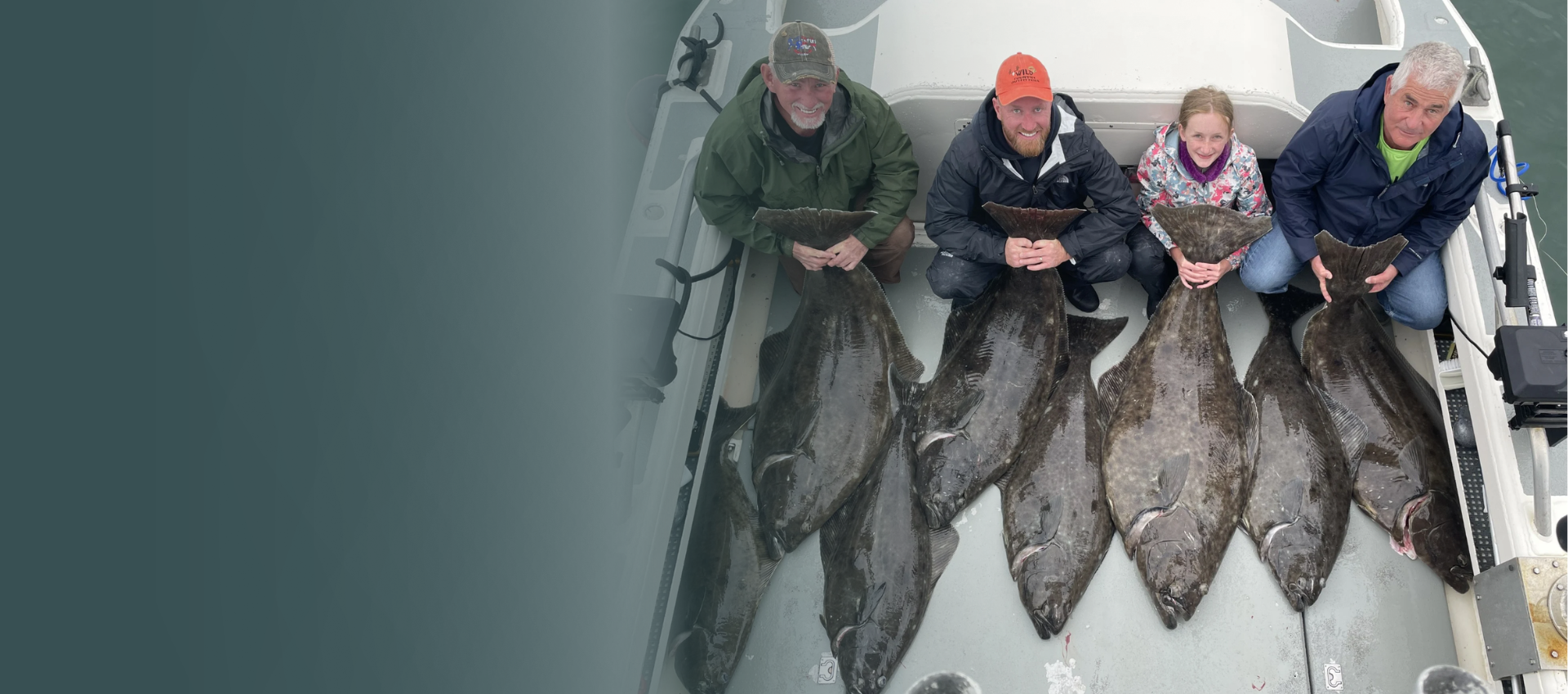
The Recreational Quota Entity gives Alaska’s guided recreational fishery a voluntary, compensated way to build quota equity—without taking quota from commercial fishermen through regulation alone.
See why the RQE was createdThe short version
Quota moves only when a willing owner chooses to sell.
The RQE purchases commercial halibut quota shares at market value. Those shares then generate annual Recreational Fishery Quota (RFQ), which is added to the charter sector’s base allocation under the Catch Sharing Plan.
Voluntary transfer. Fair compensation. Lasting value for guided anglers.
How we got here
From catch shares to recreational quota equity
Understanding the RQE starts with understanding how halibut harvest became a valuable, transferable asset.
Commercial IFQ program begins
NMFS creates the Individual Fishing Quota program for Alaska’s commercial halibut fishery, replacing the derby-style race for fish with individual catch shares.
The Catch Sharing Plan takes effect
The guided recreational fishery joins the existing catch share framework. The recreational fishery is divided into guided and unguided anglers for the first time in the nation.
The RQE framework is established
Federal rules authorize a nonprofit Recreational Quota Entity to buy and hold commercial halibut quota for the benefit of guided anglers in Areas 2C and 3A.
Stamp revenue begins building quota equity
Charter halibut stamp revenue gives the RQE a practical funding source to purchase quota from willing sellers and add annual RFQ to the charter allocation.
Catch shares
They solve real problems—and create new ones.
Under a catch share system, eligible fishermen receive a share of the annual harvest based on historical participation. The structure creates stability and stewardship, but the financial value of quota also changes the allocation conversation.
- Less overcapitalizationLimited participation reduces the race to add more vessels and gear.
- Long-term stewardshipQuota holders retain a lasting interest in the health of the resource.
- Safer, longer seasonsFishermen can choose when to fish instead of competing in a short derby.
- Better product qualityA measured season allows more deliberate harvest and handling.
- Cost of entryAs quota becomes a valuable asset, new fishermen may struggle to afford access.
- Allocation becomes financialA shift in harvest between sectors can directly affect asset value.
- Future changes become contentiousEven reasonable allocation discussions can feel like uncompensated loss.
The RQE was designed specifically for this tension.
Why the RQE was created
Improve guided opportunity without forcing an uncompensated reallocation.
Instead of asking regulators to simply shift harvest away from commercial fishermen, the RQE enters the market as a buyer. Commercial quota owners decide whether to sell, and the RQE pays market value when it has the funding to complete a purchase.
Purchased quota is placed into the Recreational Fishery Quota pool and added to the charter sector’s allocation. The approach is intended to reduce conflict while creating a practical path to stronger, more stable guided fishing opportunity.
How the program works today
Stamp revenue builds quota equity over time.
Each purchase strengthens the annual RFQ available to combine with the charter sector’s base allocation.
Stamp revenue
Collected from guided halibut anglers
Revenue pool
Held for quota and program needs
Quota purchase
Bought from willing commercial sellers
Annual RFQ
Purchased shares generate quota each year
CSP allocation
Added to the charter sector’s base allocation
Better opportunity
More flexibility for guided regulations
More quota creates greater flexibility to develop better, more stable regulations and fishing opportunities for guided anglers.
Area-by-area accountability
Money raised in each area stays in that area.
The RQE maintains separate quota pools for Areas 2C and 3A. Revenue generated by charter activity in one area can only be used to purchase quota in that same area.
Southeast Alaska
Southcentral Alaska
These are maximum allowable transfers—not guaranteed annual purchases.
Every actual acquisition depends on:
- 01Commercial quota owners willing to sell
- 02Quota available in the right regulatory area
- 03Sufficient RQE funding to complete the purchase
Official resources
Read the federal rules.
Federal regulations establish both the RQE quota-holding framework and the charter halibut stamp funding mechanism.